Why Choose a Seeds Polymer Colour Manufacturer? 7 Tips

August 21, 2026 | by Himanshi Sagar
Seeds Polymer Colour

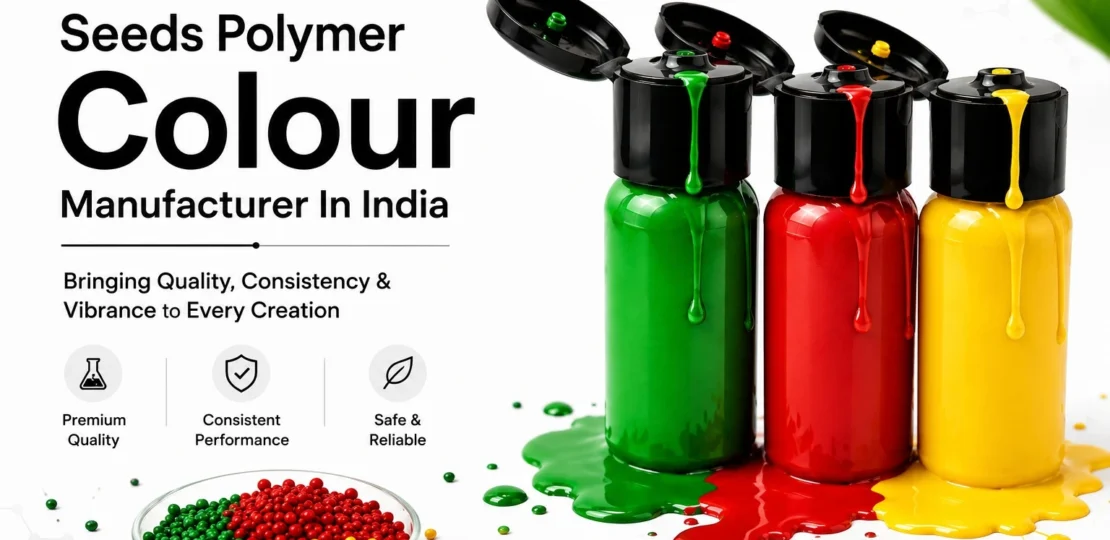
Seeds Polymer Colour Manufacturer in India: Seed Coating Solutions for Agriculture

The quality of seed is the first characteristic that has an influence on the successful establishment of crops. Before the seed arrives in the field, it has to undergo various operations to enhance its handling, protection, identification, and treatment.

Seeds Polymer Colour are applied in seed coating technologies to produce a thin polymer film on the surface of individual seeds. It also depends on the composition whether the coating will hold treatment products that are compatible with it.

From the viewpoint of commercial seed manufacturers, the goal is not only to colour the seed. Good polymer coating technology should provide uniform coverage, good adhesion, proper film formation, convenient handling characteristics, and compatibility with the seed and treatment.

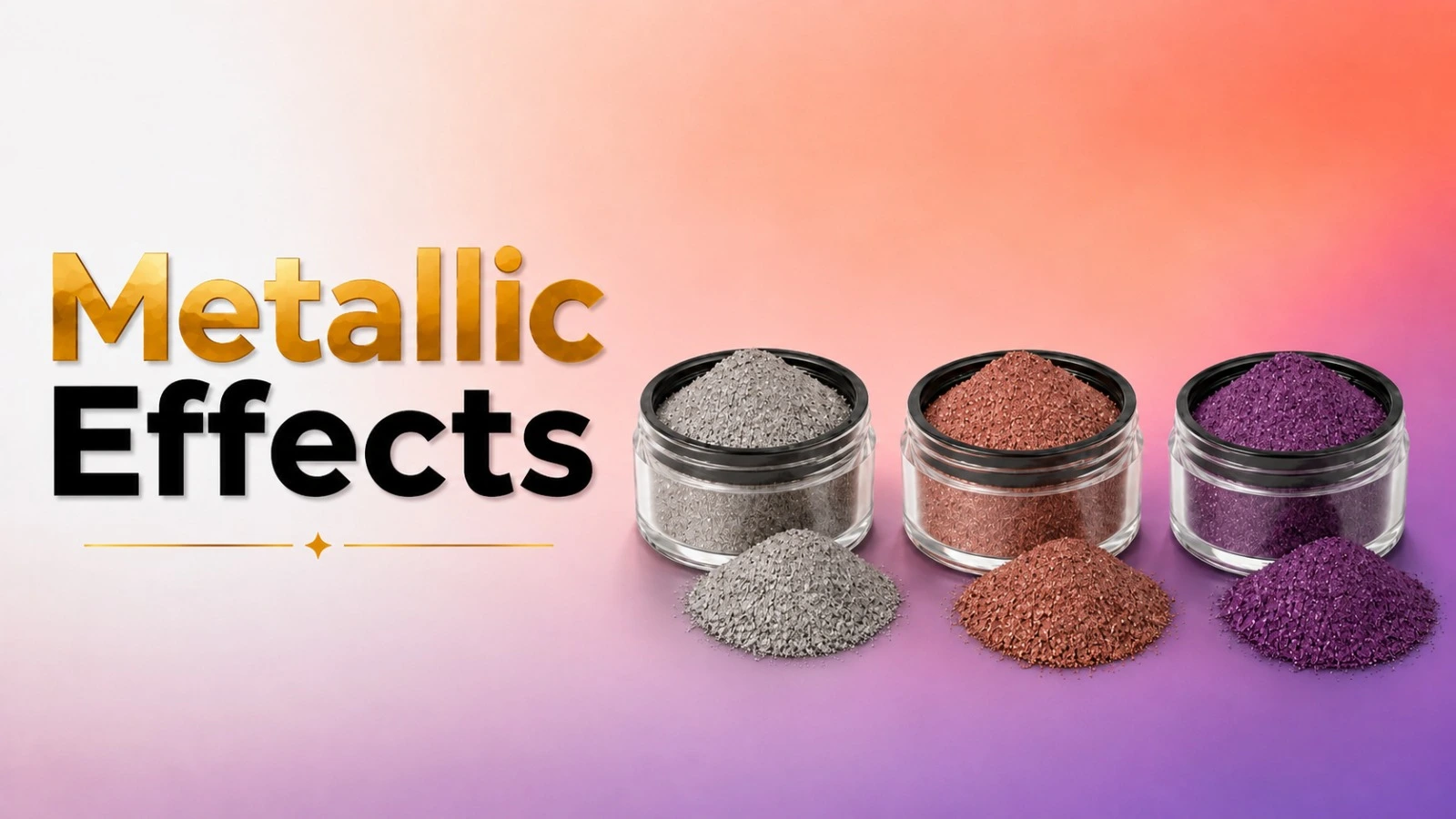
There are seeds polymer colour solutions of AMP Pearl Pigment Ltd in various colour forms – non-metallic and metallic dry or liquid colours as well as dry dye seed colours.

In this guide, you will learn about seed polymer colours, their use, types, advantages, and criteria for choosing a seed coating polymer producer in India.

What Is Seeds Polymer Colour?

Seeds polymer colour is a colour-based polymer system developed for use in coating seeds through seed coating and seed treatment methods.

The polymer coats the surface of the seed with a thin layer, and the color gives visual distinction, while the polymer provides the required film-forming properties to retain the coat on the seed surface.

Color in commercial seed processing can serve more practical uses than just visual appearances.

Some examples include:

  • Identification of products
  • Differentiation of variety or treatment
  • Uniform appearance
  • Coating quality assessment
  • Brand marketing

Difference between treated and non-treated seeds

The exact formula will depend on various factors such as crop type, seed surface, coating equipment, colour requirement, treatment chemicals, and coating finish required.

Seeds Polymer Colour

What Is Seeds Polymer Coating?

Coating of a seed involves the application of a fairly thin film of a certain substance on the surface of the seed.

This film may comprise a polymer or binder system in addition to colourants that are compatible with the former. Depending on the use of the particular treatment, other agricultural inputs may be included in the coating.

According to ICAR, the polymer-based coating of seeds is one of the well-established methods for seed coating with materials.

Seed coating is distinct from colouring a seed.

The right composition of seed coating should provide for an even film on the surface of the seed rather than just colouring it unevenly.

How Does  Seeds Polymer Coating Work?

Seeds Polymer Colour

The basic steps for the application of seed coating include: Seed preparation. Preparation of the polymer-colour solution. If necessary, adding other treating agents which are compatible with the solution. Applying the solution to the seed. Coating the seed evenly. Drying of the seeds. Quality testing of the coating. Packaging the seeds. Depending upon the kind of seed used and the equipment available for coating.

Benefits of Seeds Polymer Coating

A properly designed seed coating process can have many functional and commercial advantages.

  1. Improved Coating Consistency

Consistent coating is one of the key requirements of any coating process.

Consistency in coating may result in an improved visual look as well as ensure the distribution of the compatible components within the seed.

  1. Better Seed Handling

An appropriate seed coating process can improve the physical handling qualities of the treated seed.

Such quality is especially important for commercial seed treatment and planting operations.

According to ICAR research, seed coating/pelleting processes may improve physical seed characteristics to enable easier handling and mechanization.

  1. Decreased Dust Formation

Formation of an appropriate polymer film on the seed surface may improve the adhesion of coating materials on the seed surface.

It is beneficial for those cases where seed handling involves mechanical movements or packaging and transportation of the seed.

Reduced dust formation will depend on the formulation, rate of application, drying conditions, and the seed surface itself.

  1. Product Differentiation

Color helps in the distinction of one seed treatment or seed product from others.

Various colors could be potentially used for:

  • Groups of crops
  • Types of seeds
  • Seed treatment methods
  • Product range
  • Commercial branding purposes

The use of color codes should always comply with the seed industry regulations.

  1. Potential Contribution to Seed Protection Technologies

The polymer coating technology could potentially be used for delivery or retention of certain agricultural products that are compatible with it.

According to ICAR, there are some examples of polymer-coating technologies developed by them for delivering biological, biostimulatory, and micronutrient materials, and crop protection materials.

But the polymer coating itself cannot be considered a pesticide, insecticide, or disease control product.

Seeds Coating Polymer for Agriculture

Agricultural Seeds Coating Polymer serves as an efficient material for seed coating in agriculture.

The following use cases can be applied:

  • Grain crop seeds
  • Vegetables seeds
  • Oil-bearing crops
  • Pulse crops
  • Cereal crops
  • Hybrid seeds
  • Special crop seeds

It is theoretically possible that any type of seed can be coated with the polymer, but the effectiveness of the polymer formula should be verified on each specific seed type.

AMP Pearl Pigment Ltd: Seeds Polymer Colour Manufacturer in India

AMP Pearl Pigment Ltd produces seed polymer colour formulations for the purpose of seed coating within agriculture.

The various types of seed colour available from the company include:

  • Non-metallic colours
  • Metallic colours
  • Dry seed colours
  • Dry metallic seed colours
  • Liquid seed colours
  • Liquid metallic seed colours
  • Dry dye seed colours

Other special seed colour formulations

The company is based in Delhi, India, and was founded in 1998.

In terms of seed companies and agriculture in general, it makes sense to consider the particular use of the colour before choosing an all-purpose option.

Global Supply of Seed Polymer Colours

The following are some of the foreign markets where AMP Pearl Pigment Ltd seeds polymers are sold:

  • India
  • Nepal
  • Dubai/UAE
  • Italy
  • Kenya
  • Algeria
  • South Africa
  • Others

For export clients, product appropriateness needs to be determined based on specific agricultural, seed coating, and product regulations of the foreign nation.

Being an exportable product does not automatically imply that the product is suitable for all applications in every country


Conclusion

Seeds Polymer Colour is very important for present-day seed coating due to its ability to give uniform color, ensure good coating, and provide easy handling. There are many types of coatings, such as dry, liquid, metallic, and dye, depending on the kind of seeds and coating. Choosing the right Seeds Coating Polymer for Agriculture is not just about selecting the color; there are other aspects that should be taken into account as well, such as performance, flexibility, dispersion, and storage. The company AMP Pearl Pigment Ltd provides various seed polymer colors. Should you need Seeds Polymer Colour in India, contact AMP Pearl Pigment Ltd and get a consultation concerning the right color and finish, as well as the required quantity.

FAQ

Pearl Pigment Powder is a mica-based pigment with a shimmering, pearlescent effect. It is widely used in industries like plastics, coatings, cosmetics, printing inks, and more to enhance visual appeal and create a metallic or iridescent finish.

Pearl Pigments are versatile and used in:

  • Plastics: For decorative plastic products.
  • Coatings: Automotive, industrial, and decorative coatings.
  • Cosmetics: Nail polish, eyeshadows, and lip products.
  • Printing Inks: For screen printing, gravure, and flexographic printing.
  • Textiles: For fabric printing and dyeing. 

Yes, Amp Pearl Pigment Ltd offers customizable shades and particle sizes of Pearl Pigments to meet specific industry needs.

Yes, our cosmetic-grade Pearl Pigments are non-toxic and safe for use in beauty products. They comply with relevant industry safety standards.

We provide packaging options ranging from small sample packs to bulk packaging based on your requirements.

RELATED POSTS

View all

view all