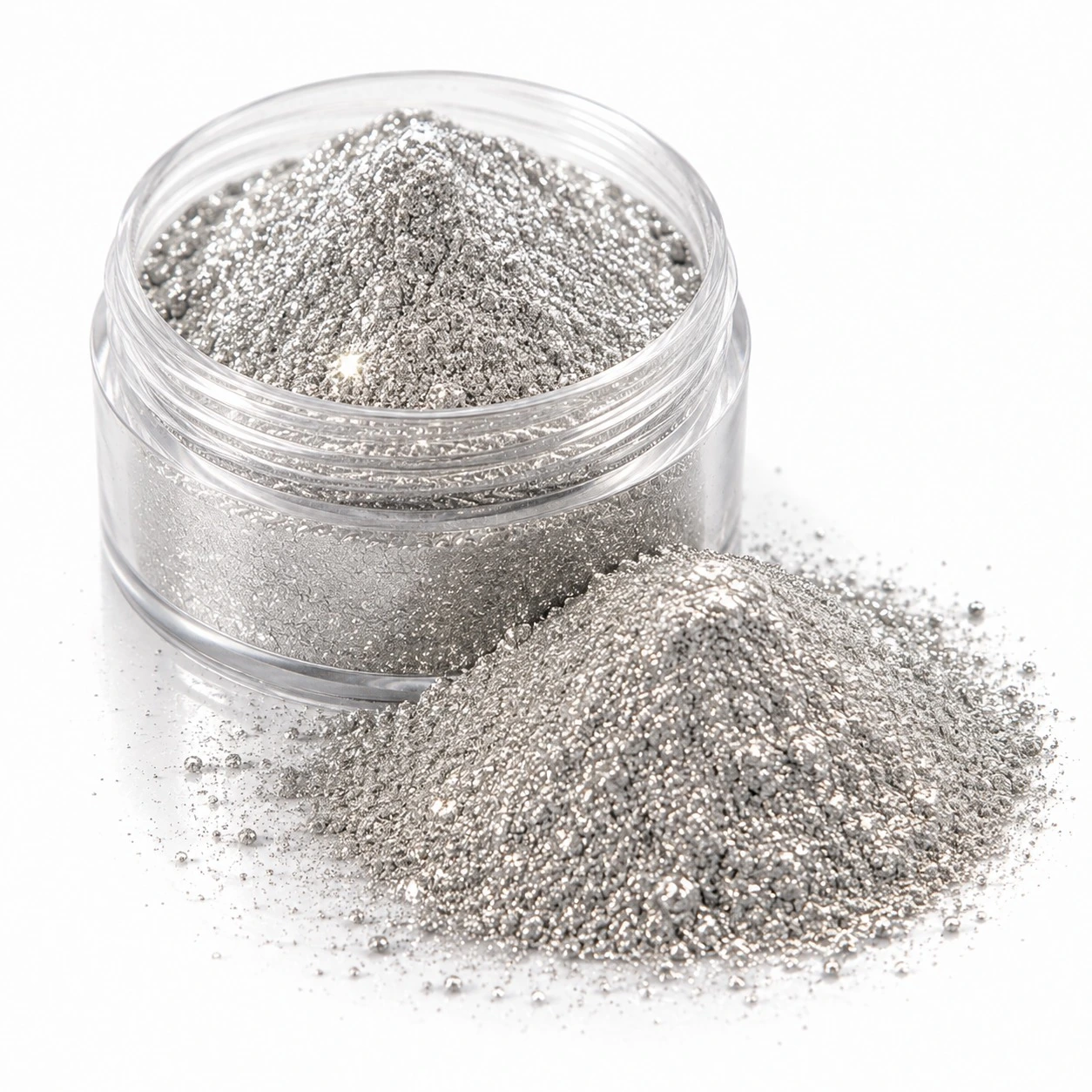
How Metal Pigment Creates Brilliant Metallic Effects

August 24, 2026 | by Himanshi Sagar

The Science Behind Brilliant Metallic Effects

Metallic finishes offer characteristics of beauty that normal colour pigments cannot mimic in all situations. Depending on the pigment type and composition, they can produce silver, gold, bronze, chrome-like, and reflective finishes.

It is at this point that metal pigments become useful.

Metal pigments are special colourants that give a metallic look to products like paints and coatings, printing inks, plastics, packaging materials, and other decorative surfaces.

The two most common metallic systems are aluminium and bronze-copper systems, whose effectiveness can vary greatly depending on particle shape, particle-size distribution, orientation, compatibility with binders, concentration, and application technique.

The selection of the metal pigment is not always the choice of the shiniest material for manufacturers.

In this article, we will explore what metal pigments are, the different types, uses, advantages, and considerations manufacturers must take before choosing a metallic pigment.

What Is a Metal Pigment?

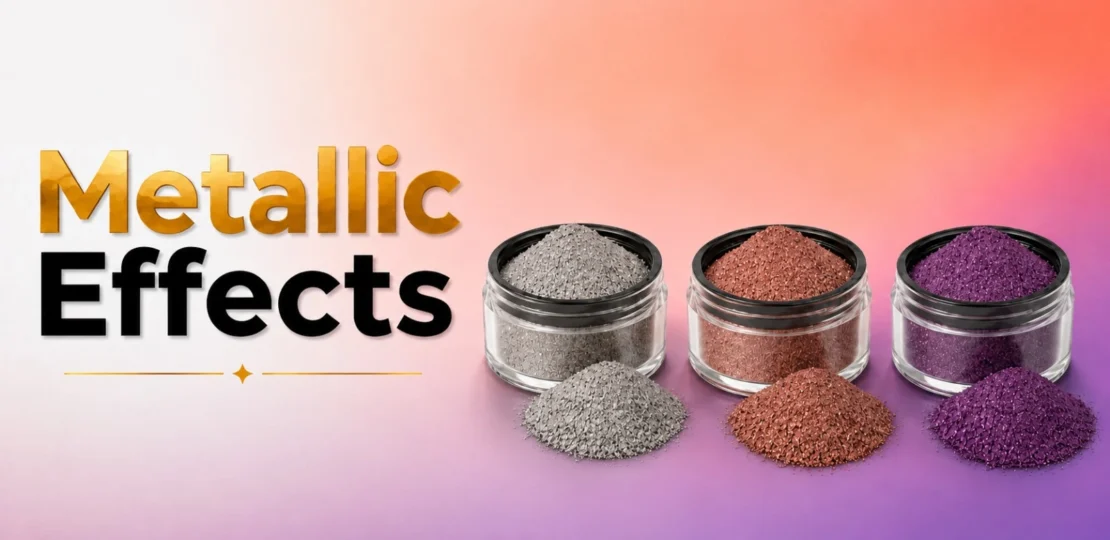
Metal pigment refer to the type of pigments in which metallic particles or metallic structures are used to obtain a reflective/lustrous or metallic effect.

As compared to normal pigments that use selective absorption and reflection to produce colours, metallic pigments produce an effect with the help of the reflection of light off their particle surface.

The result can vary from:

  • Bright silver
  • Soft silver
  • Chrome
  • Gold
  • Bronze
  • Copper
  • Satin metallic
  • Sparkling metallic
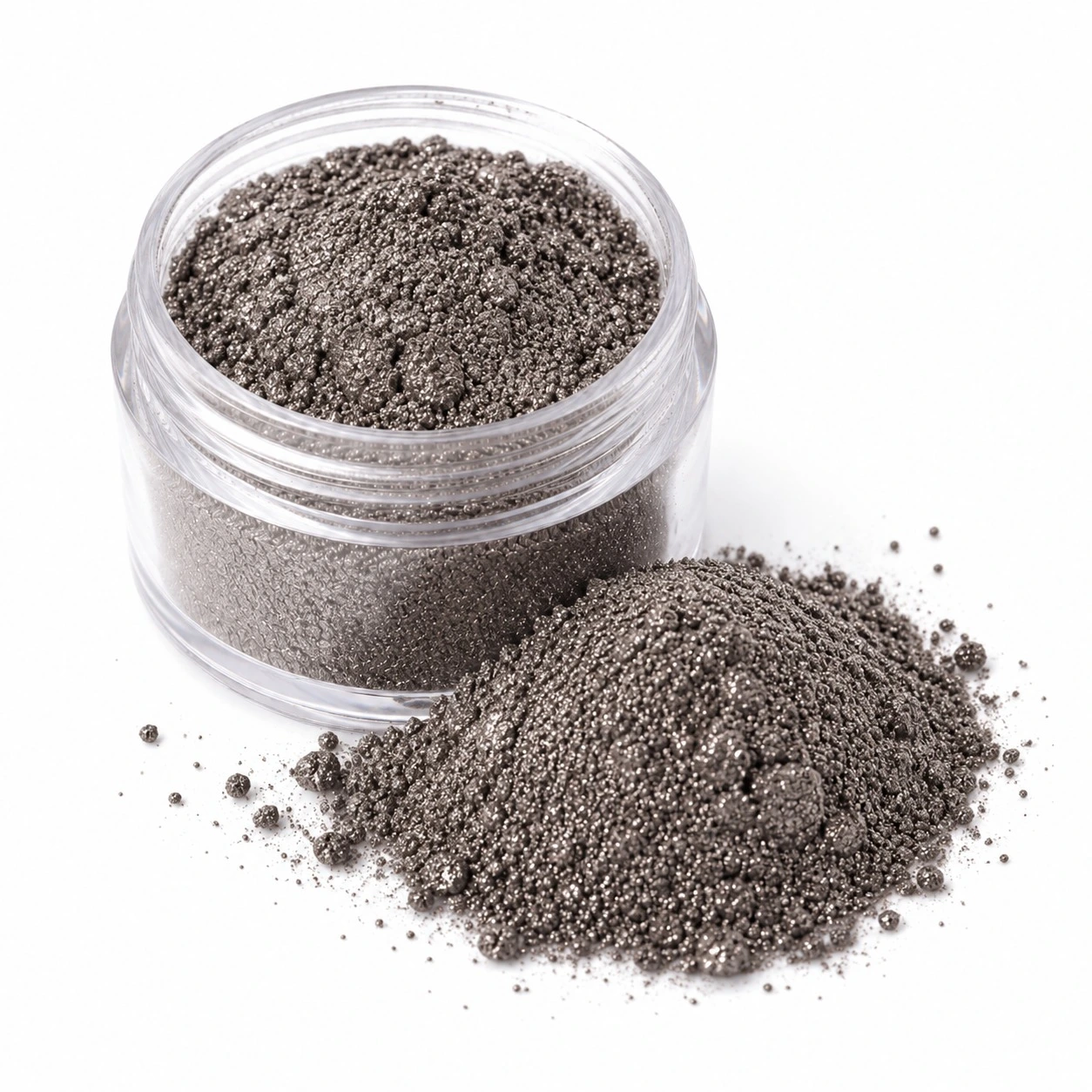
  • Dark metallic
  • High gloss metallic

AMP Pigments offers aluminium, bronze/copper and iron oxide pigment products for use in automotive paint, industrial coatings, plastics, printing ink, leather, and packaging applications.

metal pigment
metal pigment

How Do Metal Pigments Create a Metallic Effect?

The metallic look depends to a large extent on the physical nature of the particles of the pigment.

Most metallic pigments consist of flake-shaped particles.

If these particles arrange themselves in a certain direction in the coating or ink film, then the reflection from the surface of these particles will take place.

metal pigment

Applications of Metal Pigment

Metal Pigments for Paints and Coatings

Paint and coating manufacturers use metallic pigments to create decorative and functional finishes.

Applications include:

  • Architectural coatings
  • Decorative paints
  • Industrial coatings
  • Machinery coatings
  • Metal coatings
  • Specialty finishes

Aluminium paints are also recognized within India’s standards framework; BIS lists IS 2339:2013 for aluminium paints for general purposes.

Metal Pigments for Automotive Coatings

Automotive finishes are one of the most recognizable applications for metallic pigments.

Metallic automotive coatings can create:

  • Silver finishes
  • Metallic grey
  • Champagne tones
  • Gold effects
  • Custom metallic colours
  • Dark metallic finishes

The appearance of an automotive coating can vary significantly with viewing angle and lighting.

However, automotive applications also place demanding requirements on durability.

The pigment system should therefore be evaluated for:

  • Light exposure
  • Weathering
  • Chemical resistance
  • Washing
  • Abrasion
  • Binder compatibility

Important: a pigment chosen for an indoor decorative application should not automatically be assumed suitable for automotive exterior use.

Metal Pigments for Industrial Coatings

Industrial coatings may use metallic pigments for both appearance and specialized coating requirements.

Potential applications include:

  • Machinery
  • Equipment
  • Metal structures
  • Industrial components
  • Decorative protective coatings
  • Architectural metal surfaces

The selection process should consider the environment in which the coating will operate.

For example, an outdoor industrial coating may experience:

  • UV radiation
  • Moisture
  • Temperature changes
  • Industrial chemicals
  • Abrasion

The complete coating system – not just the pigment- determines final durability.

Metal Pigments for Printing Inks

Metallic printing can make packaging, labels, and promotional graphics more visually attractive.

Metal pigments can be used in:

  • Packaging inks
  • Decorative printing
  • Labels
  • Promotional materials
  • Specialty graphics
  • Commercial printing

Pigment preparation and dispersion are particularly important for printing.

Printing ink manufacturers should evaluate:

  • Particle size
  • Ink viscosity
  • Printing process
  • Substrate
  • Drying
  • Rub resistance
  • Compatibility

Pigment suppliers serving the Indian market offer pigment systems for offset, gravure, flexographic, screen and decorative metal printing.

Metal Pigments for Plastics

Metallic effects can also be incorporated into plastic products.

Potential applications include:

  • Automotive plastic components
  • Consumer products
  • Decorative plastic articles
  • Household products
  • Packaging components
  • Specialty moulded parts

Metal Pigments for Packaging

Packaging is a major area where metallic effects can influence consumer perception.

Metallic finishes can help communicate:

  • Premium quality
  • Luxury
  • Technology
  • Special editions
  • Product differentiation

Applications include:

  • Folding cartons
  • Labels
  • Promotional packaging
  • Decorative packaging
  • Consumer product graphics

For packaging intended for food or other regulated contact applications, the complete ink/coating system and applicable regulatory requirements must be assessed.

A pigment being marketed as “non-toxic” does not by itself establish compliance for every packaging use.

Metal Pigments for Leather

Metallic effects can be used in leather finishing to create distinctive decorative surfaces.

Potential applications include:

  • Footwear
  • Bags
  • Accessories
  • Fashion products
  • Decorative leather goods

The pigment must be compatible with the finishing chemistry and should be tested for:

  • Adhesion
  • Flexibility
  • Rub resistance
  • Colour consistency
  • Surface appearance

Metal Pigments for Decorative Applications

Metallic pigments are widely useful where appearance is the primary objective.

Examples include:

  • Decorative objects
  • Craft products
  • Furniture finishes
  • Interior products
  • Art materials
  • Specialty surfaces

Here, formulators often have greater freedom to prioritize visual effects, although product-specific safety and durability requirements still apply.
Metal Pigment Manufacturer in India

India has an established pigment and coatings industry with manufacturers supplying pigment systems for paints, coatings, plastics, inks and specialty applications.

BIS standards and technical documents demonstrate the importance of defined pigment specifications and testing within India’s paints and coatings sector.

When selecting a metal pigment manufacturer in India, buyers should consider:

  • Product range
  • Manufacturing capabilities
  • Quality control
  • Batch consistency
  • Application knowledge
  • Technical support
  • Packaging
  • Bulk availability
  • Export capability
  • Documentation

Metal Pigment Solutions from AMP Pearl Pigment Ltd

AMP Pearl Pigment Ltd is an India-based pigment company offering pigment solutions for industrial and decorative applications.

For buyers interested in metallic effects, the product requirement can be evaluated according to:

  • Desired metallic shade
  • Aluminium, bronze or copper effect
  • Powder or paste format
  • Fine or coarse effect
  • Paint or coating system
  • Printing ink application
  • Plastic or masterbatch application
  • Required brightness
  • Coverage
  • Compatibility

Conclusion

Metal pigment are an effective way to create brilliant, reflective, and premium metallic finishes across a wide range of products. From paints and coatings to automotive finishes, printing inks, plastics, packaging, and decorative applications, the right pigment can significantly enhance both appearance and product value.

Selecting the appropriate grade requires more than choosing a colour. Particle size, pigment orientation, dispersion, binder compatibility, processing conditions, durability, and the desired finish should all be considered before production.

For manufacturers, testing the pigment in the actual formulation is an important step toward achieving consistent colour, coverage, brightness, and performance.

AMP Pearl Pigment Ltd offers pigment solutions for diverse industrial and decorative applications. Contact AMP Pearl Pigment Ltd today to explore suitable metal pigment solutions and create distinctive metallic finishes for your products.

FAQ

Pearl Pigment Powder is a mica-based pigment with a shimmering, pearlescent effect. It is widely used in industries like plastics, coatings, cosmetics, printing inks, and more to enhance visual appeal and create a metallic or iridescent finish.

Pearl Pigments are versatile and used in:

  • Plastics: For decorative plastic products.
  • Coatings: Automotive, industrial, and decorative coatings.
  • Cosmetics: Nail polish, eyeshadows, and lip products.
  • Printing Inks: For screen printing, gravure, and flexographic printing.
  • Textiles: For fabric printing and dyeing. 

Yes, Amp Pearl Pigment Ltd offers customizable shades and particle sizes of Pearl Pigments to meet specific industry needs.

Yes, our cosmetic-grade Pearl Pigments are non-toxic and safe for use in beauty products. They comply with relevant industry safety standards.

We provide packaging options ranging from small sample packs to bulk packaging based on your requirements.

RELATED POSTS

View all

view all