
How Do Thermochromic Pigments Change Colour With Heat?
September 21, 2026 | by Himanshi Sagar
What Causes Colour to Change With Temperature?
Have you ever seen a product change colour when it becomes hot or cold? A cup may reveal a hidden design when filled with a hot drink, a label may change shade when exposed to heat, or a printed surface may respond to the temperature of your hand.
These effects are made possible by thermochromic pigments.
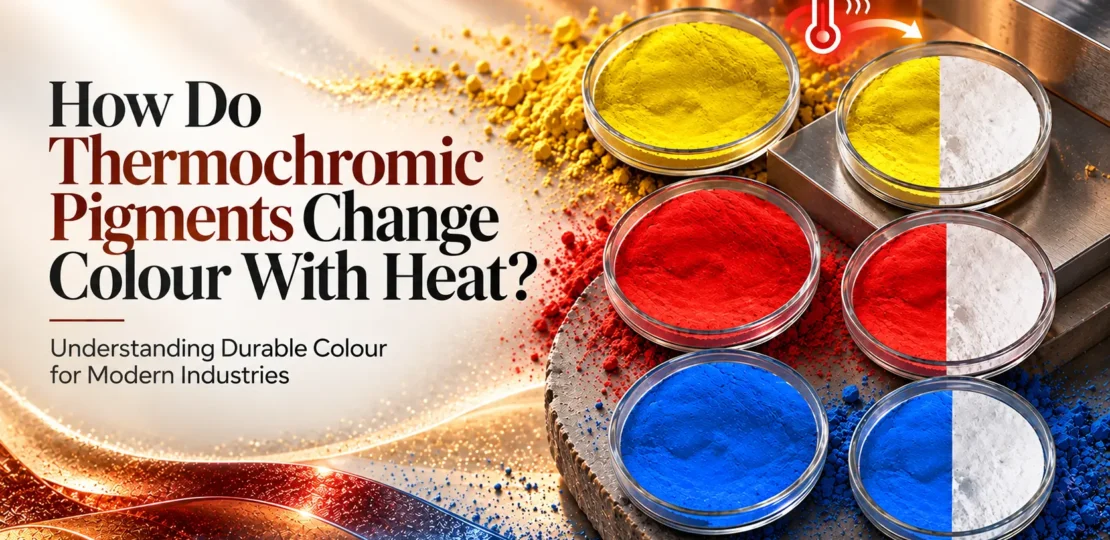
Unlike conventional pigments, which are primarily used to provide a stable colour, thermochromic pigments are designed to respond to temperature. Their colour or optical appearance changes when the material reaches a particular temperature range.
What Are Thermochromic Pigments?
Thermochromic pigments are temperature-responsive colourants that change their visible colour or appearance when exposed to a specific temperature.
The word thermochromic comes from:
- Thermo – related to temperature or heat
- Chromic – related to colour
In simple terms, a thermochromic pigment is a heat-sensitive or temperature-sensitive pigment.
Unlike ordinary pigments, which generally maintain their colour when temperature changes, thermochromic materials are formulated to undergo a controlled optical change.
Depending on their formulation, they can be designed for:
- Reversible colour changes
- Irreversible colour changes
- Different activation temperatures
- Different starting and final colours
- Specific application environments
Thermochromic systems include several material types. Commercial organic systems commonly use leuco-dye chemistry, while other thermochromic materials can rely on liquid crystals, inorganic compounds or structural changes.
How Do Thermochromic Pigments Change Colour With Heat?
The easiest way to understand thermochromic technology is to think of the pigment as a tiny temperature-controlled colour system.
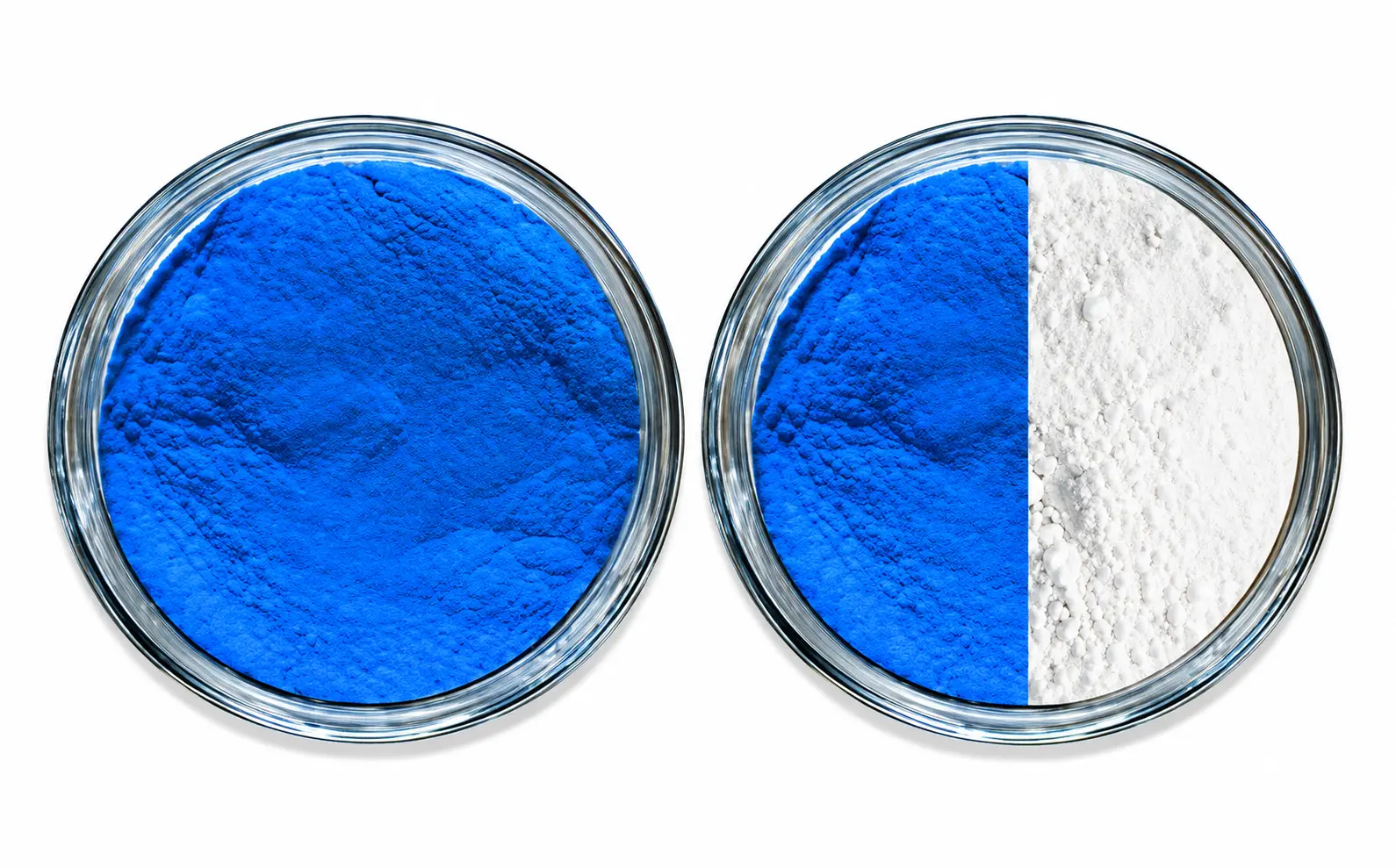
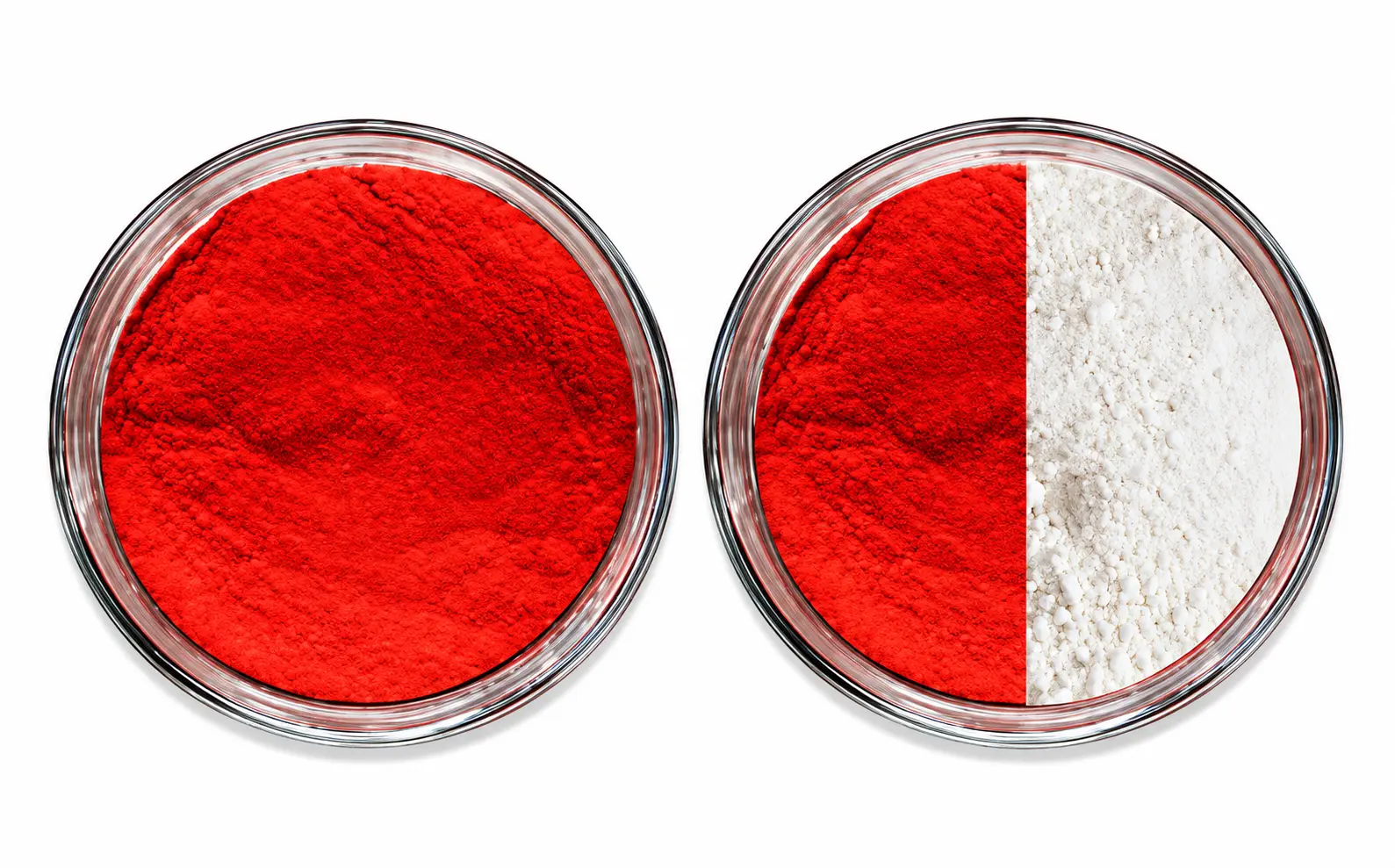
When the temperature changes, the internal chemical or physical state of the thermochromic material changes. This affects the way it absorbs and reflects visible light, producing a different colour or making the original colour disappear.
1. The Pigment Contains a Temperature-Responsive System.
2. Heat Triggers a Molecular Change.
3. Microencapsulation Protects the Active Components.
What Determines the Colour-Change Temperature?
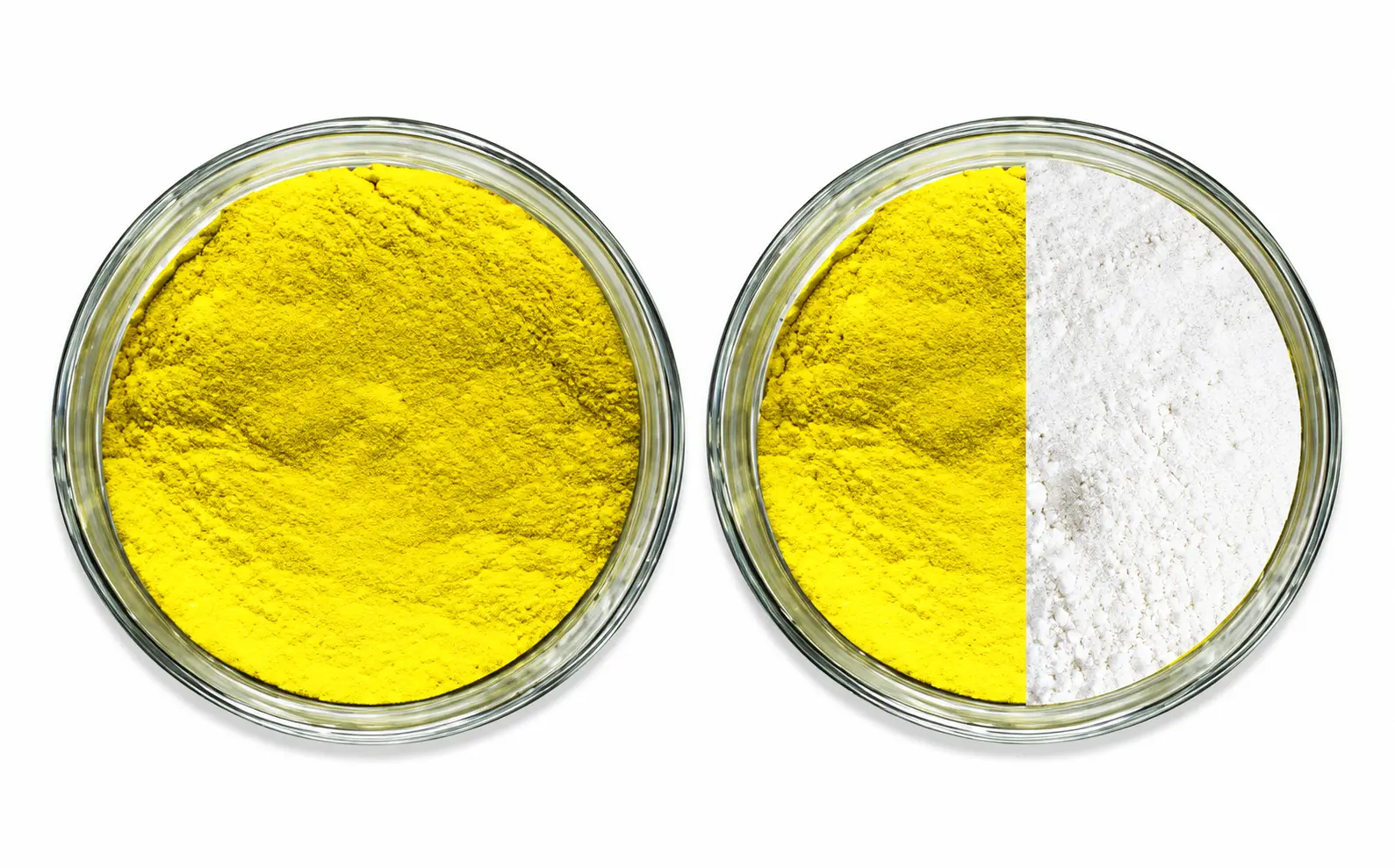
One of the most important characteristics of a thermochromic pigment is its activation or transition temperature.
A thermochromic material does not necessarily change colour at one universal temperature.
Its response is determined by its formulation.
For example, commercially available thermochromic products can be designed around different temperature ranges, depending on the intended application. Industry listings commonly show products around temperatures such as 20°C, 31°C and 43°C, although available ranges vary by formulation and supplier.
Where Are Thermochromic Pigments Used?
One of the most important characteristics of a thermochromic pigment is its activation or transition temperature.
A thermochromic material does not necessarily change colour at one universal temperature.
Its response is determined by its formulation.
For example, commercially available thermochromic products can be designed around different temperature ranges, depending on the intended application. Industry listings commonly show products around temperatures such as 20°C, 31°C and 43°C, although available ranges vary by formulation and supplier.
Important factors include:
- Chemical formulation
- Type of thermochromic system
- Solvent or co-solvent selection
- Desired colour transition
- Particle characteristics
- Application medium
- Heating and cooling conditions
- Substrate
For industrial applications, the transition temperature should therefore be selected according to the actual temperature the finished product will experience, rather than simply choosing a pigment based on colour.
Where Are Thermochromic Pigments Used?
Thermochromic pigments are useful wherever a visible temperature response can add functionality, information or visual interest.
1. Plastics
Thermochromic pigments can be incorporated into suitable plastic products to create temperature-responsive effects.
Potential applications include:
- Consumer products
- Promotional products
- Decorative plastic components
- Temperature indicators
- Interactive packaging
The pigment must be compatible with the selected polymer and processing conditions because excessive processing temperatures can affect thermochromic performance.
2. Printing Inks
Thermochromic pigments can be formulated into printing systems to create colour-changing inks.
They can be used for:
- Labels
- Promotional printing
- Packaging concepts
- Security features
- Temperature indicators
- Interactive graphics
Thermochromic printing is also an established area of research and application for temperature-responsive materials.
3. Coatings
A thermochromic coating can provide a visible response when its surface temperature changes.
Applications can include:
- Decorative coatings
- Temperature indication
- Smart surfaces
- Product demonstrations
- Research and development applications
Thermochromic coatings have also been investigated for building surfaces because temperature-dependent changes in colour and solar reflectance can influence how surfaces interact with sunlight.
4. Textiles
Thermochromic pigments can be incorporated into suitable textile printing systems to produce fabrics that respond to temperature.
Possible applications include:
- Fashion garments
- Promotional textiles
- Interactive designs
- Temperature-responsive fabrics
- Technical textiles
Leuco-dye and liquid-crystal thermochromic systems have both been explored for textile applications, often using microencapsulation to protect the active components.
5. Packaging and Temperature Indicators
One of the most interesting uses is visual temperature indication.
A thermochromic label or printed element can provide a simple visual signal when a product reaches a predetermined temperature.
Research has explored thermochromic materials for smart packaging and temperature-indicator applications.
However, the pigment alone should not automatically be treated as a certified safety indicator. For regulated applications, the complete product and its performance need appropriate validation.
Conclusion
Their functionality comes from temperature-sensitive material systems that alter their optical behaviour when a particular temperature range is reached. In many commercial systems, microencapsulated leuco-dye chemistry enables reversible colour changes, while other formulations can provide irreversible temperature indications.
For manufacturers, choosing the right thermochromic pigment is about more than selecting a colour. Activation temperature, reversibility, application compatibility, processing conditions and long-term durability all need to be considered.
If you are developing temperature-responsive plastics, inks, coatings, textiles or other products, AMP Pearl Pigment Ltd can be considered as a source for discussing thermochromic pigment requirements and customized pigment solutions.
FAQ
Pearl Pigment Powder is a mica-based pigment with a shimmering, pearlescent effect. It is widely used in industries like plastics, coatings, cosmetics, printing inks, and more to enhance visual appeal and create a metallic or iridescent finish.
Pearl Pigments are versatile and used in:
- Plastics: For decorative plastic products.
- Coatings: Automotive, industrial, and decorative coatings.
- Cosmetics: Nail polish, eyeshadows, and lip products.
- Printing Inks: For screen printing, gravure, and flexographic printing.
- Textiles: For fabric printing and dyeing.
Yes, Amp Pearl Pigment Ltd offers customizable shades and particle sizes of Pearl Pigments to meet specific industry needs.
Yes, our cosmetic-grade Pearl Pigments are non-toxic and safe for use in beauty products. They comply with relevant industry safety standards.
We provide packaging options ranging from small sample packs to bulk packaging based on your requirements.