
Pearl Pigments for Ceramic Tiles: Glaze & Firing
October 30, 2026 | by Himanshi Sagar
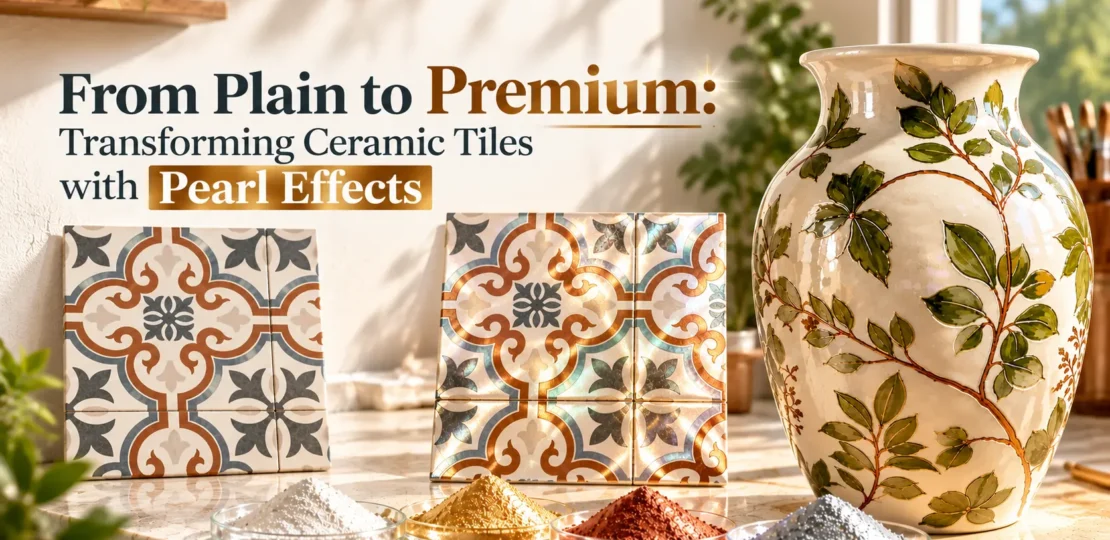
From Plain to Premium: Transforming Ceramic Tiles with Pearl Effects
Ceramic tiles are no longer limited to plain colours and glossy surfaces. Modern tile designs often feature metallic highlights, subtle shimmer, satin finishes and iridescent effects that change with the viewing angle. These finishes help manufacturers create decorative surfaces for homes, hotels, commercial spaces and architectural projects.
Pearl pigments for ceramic tiles can help achieve some of these visual effects. However, selecting the right pigment requires more than choosing a colour. The pigment must be compatible with the glaze, withstand the intended firing conditions and retain the desired appearance after processing.
For ceramic tile manufacturers in India, understanding these factors is essential before introducing effect pigments into production.
This guide explains how pearl pigments work, which decorative effects they can produce, how glaze compatibility affects performance, and what to check before choosing a supplier.
What Are Pearl Pigments for Ceramic Tiles?
Pearl pigments for ceramic tiles are special-effect colourants designed to create a pearlescent appearance through the reflection and interference of light. Many conventional pearlescent pigments use mica platelets coated with materials such as titanium dioxide. Their layered structure produces visual effects that differ from ordinary flat colour pigments.
Depending on the pigment structure, particle size, coating, and surrounding material, the resulting finish may appear white, silver, gold, bronze, or iridescent.
In ceramic applications, the important question is whether the effect pigment can survive the specific glaze chemistry and firing process.
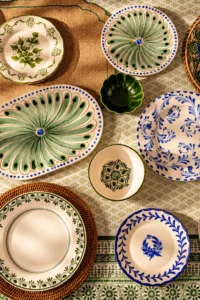
Decorative Effects Pearl Pigments Can Create in Ceramic Tiles
1. Silver and metallic-inspired finishes
Silver-like effects can create a clean, contemporary appearance on decorative wall tiles, feature panels and selected interior surfaces.
Depending on the formulation, a silver pearl effect may provide a soft reflective finish rather than the mirror-like appearance of a true metal coating.
2. Gold and warm decorative effects
Gold-toned finishes can complement luxury-inspired interiors, hotel spaces, decorative borders and accent tiles.
3. Iridescent and colour-shifting appearances
Iridescent finishes display changing colour impressions as the viewing angle or illumination changes. They can be useful for statement walls, decorative panels and premium interior designs.
However, not every pearl pigment produces a true colour-shifting effect.
4. Satin and subtle shimmer effects
Not every tile needs a strong metallic shine. A restrained satin effect can add visual depth while maintaining a relatively understated appearance.
This pearl pigments for ceramic tiles finish may be more appropriate for contemporary interiors where designers want surface variation without excessive reflection. The actual gloss level and texture must still be assessed on the fired tile.
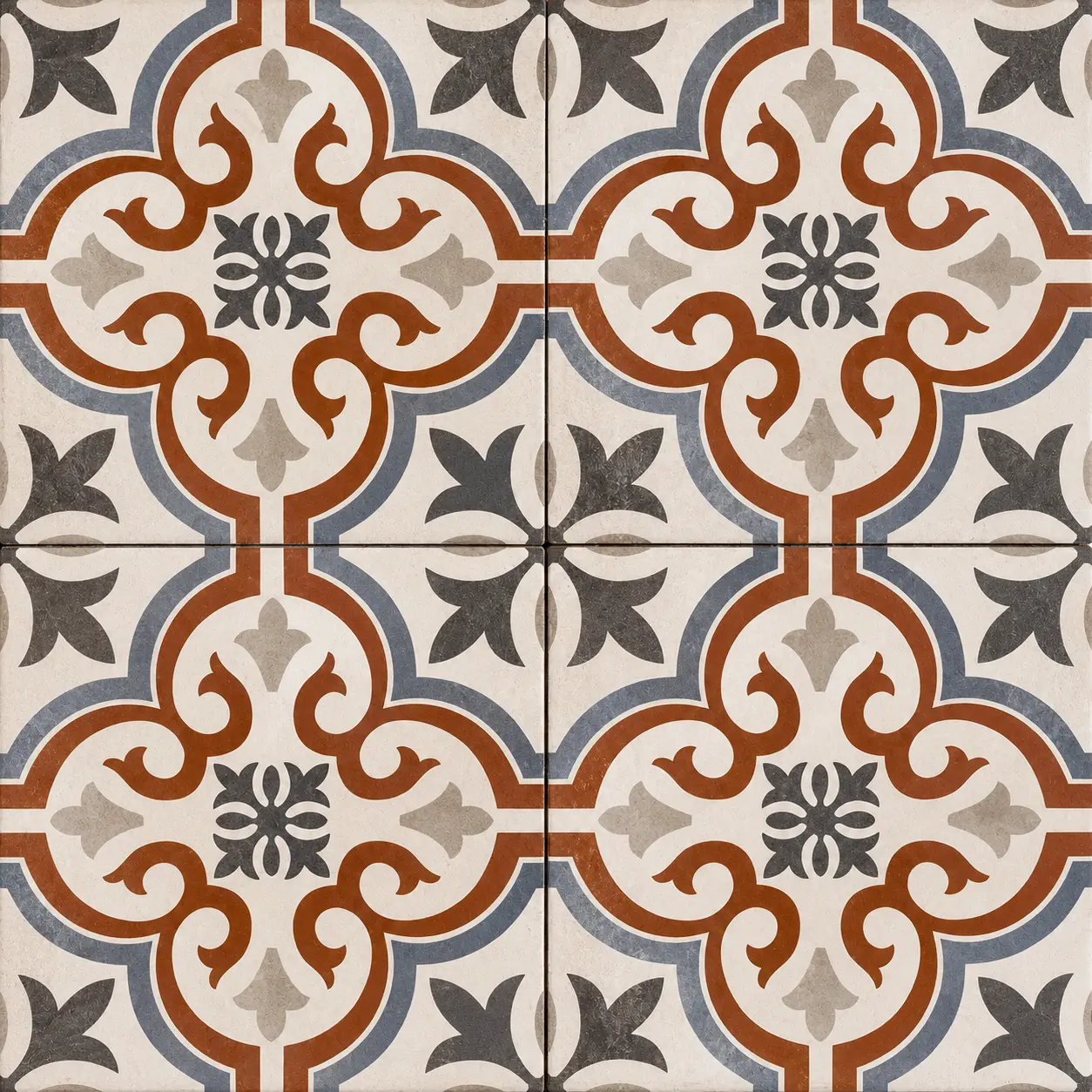
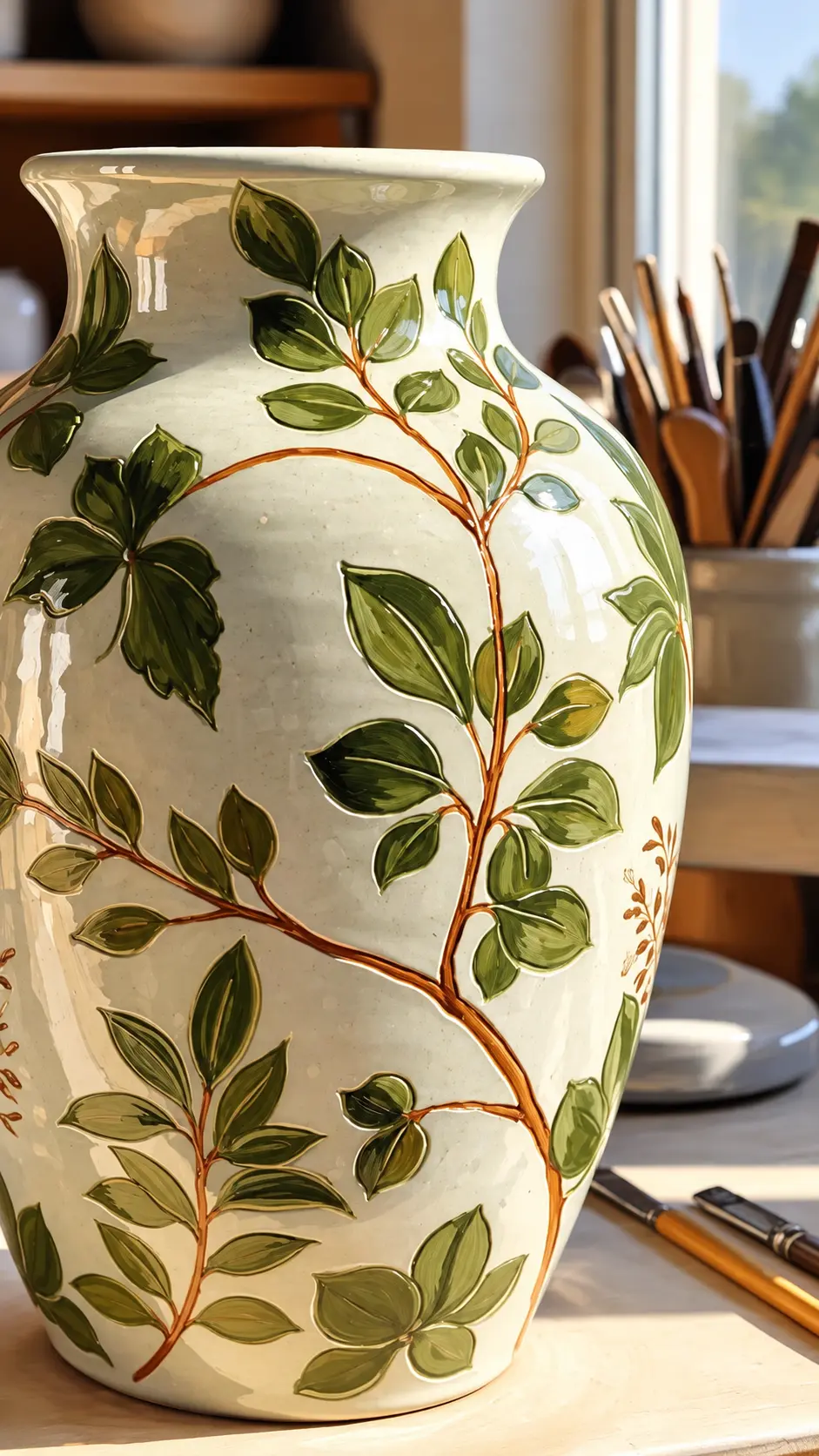
Are Pearl Pigments Compatible With Ceramic Glazes?
1. Pearl Pigments for Ceramic Tiles
Pearl pigments can be used in certain ceramic decorative systems, but compatibility is formulation-specific. The most important variables are the pigment’s thermal stability, glaze composition, firing temperature, firing duration and application method.
2. Glaze composition and chemical interaction
The glaze is not simply a transparent carrier. Its chemical composition affects how a pigment behaves during firing.
Practical recommendation: Ask for compatibility information relating to the actual glaze or frit formulation rather than relying only on a general claim that a pigment is suitable for ceramics.
3. Application method and layer thickness
Spraying, printing, brushing or applying a separate decorative layer may produce different coverage and optical results. Excessive or uneven application may also change the appearance of the finish.
A separate decorative firing may offer more flexibility for certain effect pigments, but it still requires testing for adhesion, durability and final appearance.
Conclusion
Pearl pigments offer ceramic tile manufacturers an opportunity to explore distinctive decorative finishes, from subtle satin effects to gold-toned and iridescent surfaces. Their success, however, depends on choosing a suitable grade and understanding how it behaves within the complete ceramic production process.
Glaze chemistry, firing temperature, firing duration, and end-use durability all matter. Small-scale trials, reliable technical documentation and production validation are the best ways to reduce uncertainty before investing in bulk materials.
For manufacturers exploring Pearl Pigments for Ceramic Tiles, AMP Pearl Pigment Ltd. can be contacted to discuss application requirements and confirm product suitability.
FAQ
Pearl Pigment Powder is a mica-based pigment with a shimmering, pearlescent effect. It is widely used in industries like plastics, coatings, cosmetics, printing inks, and more to enhance visual appeal and create a metallic or iridescent finish.
Pearl Pigments are versatile and used in:
- Plastics: For decorative plastic products.
- Coatings: Automotive, industrial, and decorative coatings.
- Cosmetics: Nail polish, eyeshadows, and lip products.
- Printing Inks: For screen printing, gravure, and flexographic printing.
- Textiles: For fabric printing and dyeing.
Yes, Amp Pearl Pigment Ltd offers customizable shades and particle sizes of Pearl Pigments to meet specific industry needs.
Yes, our cosmetic-grade Pearl Pigments are non-toxic and safe for use in beauty products. They comply with relevant industry safety standards.
We provide packaging options ranging from small sample packs to bulk packaging based on your requirements.